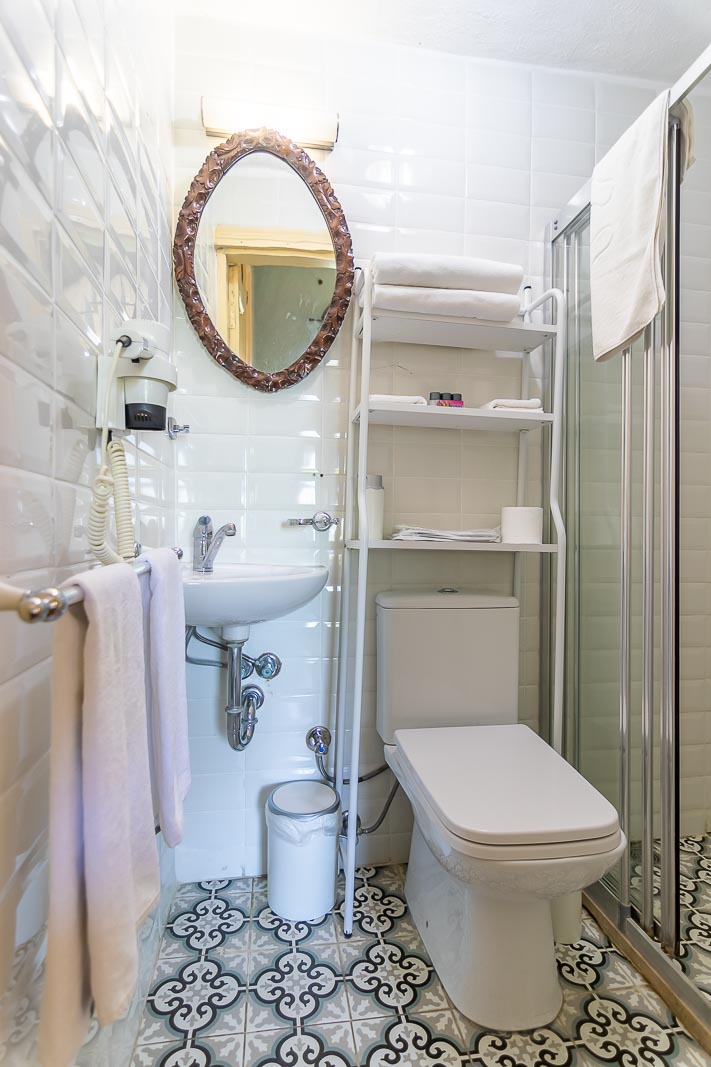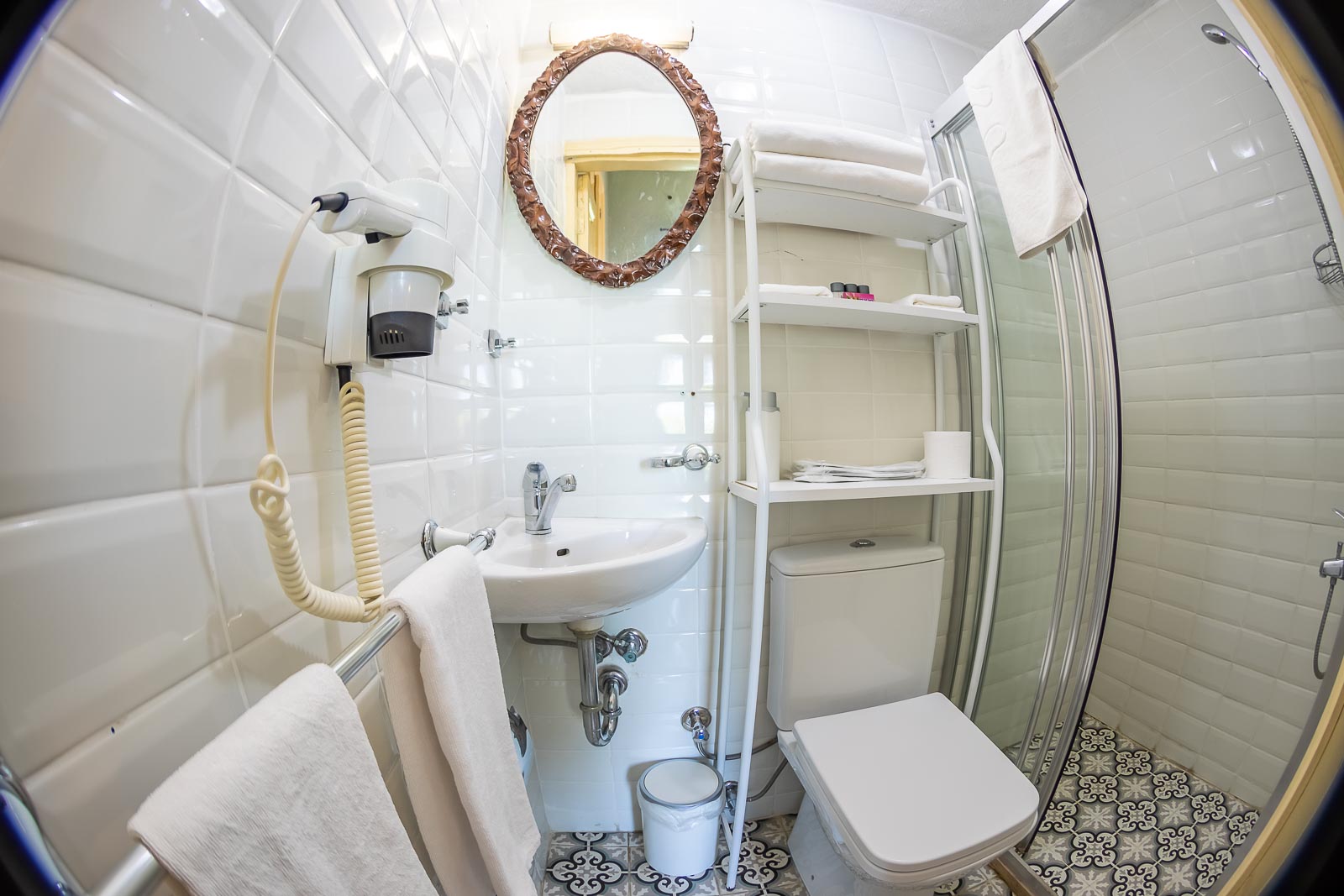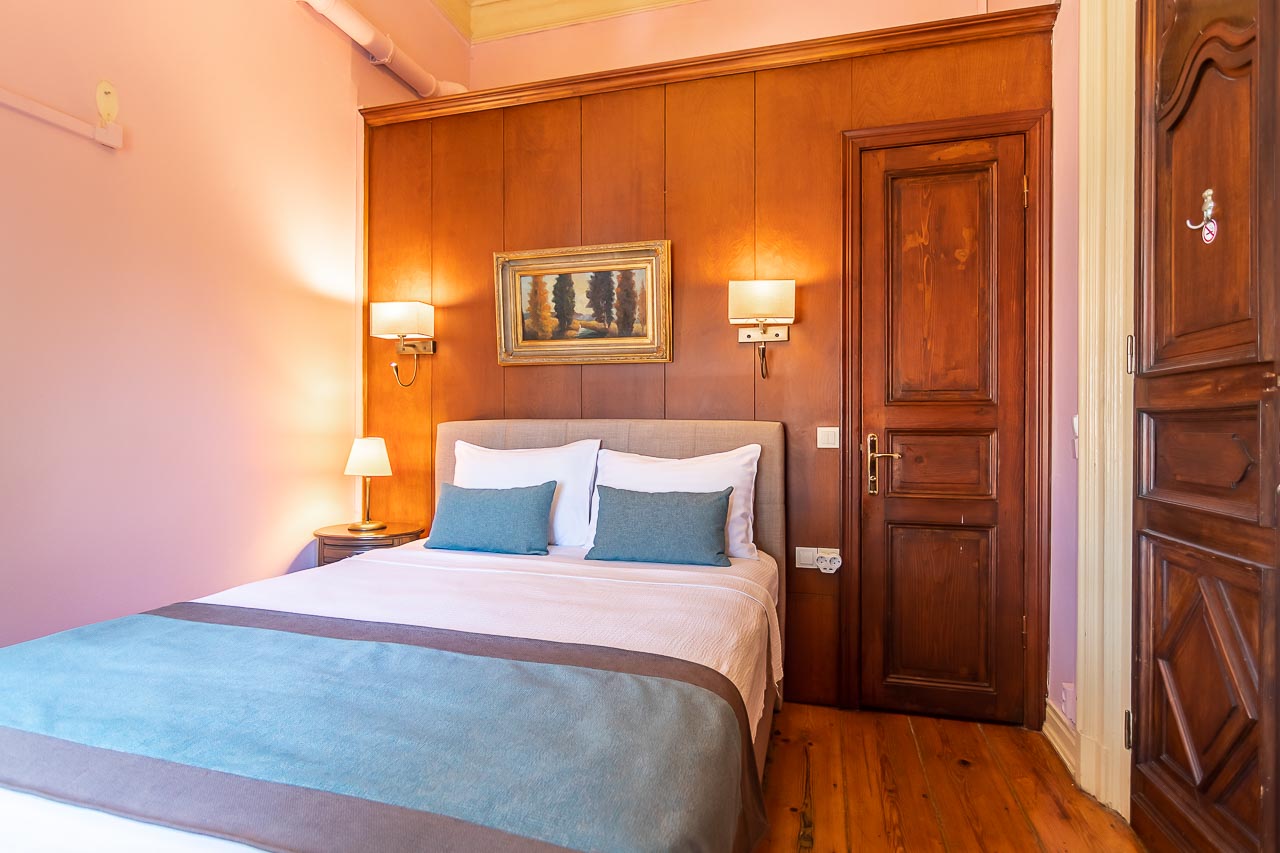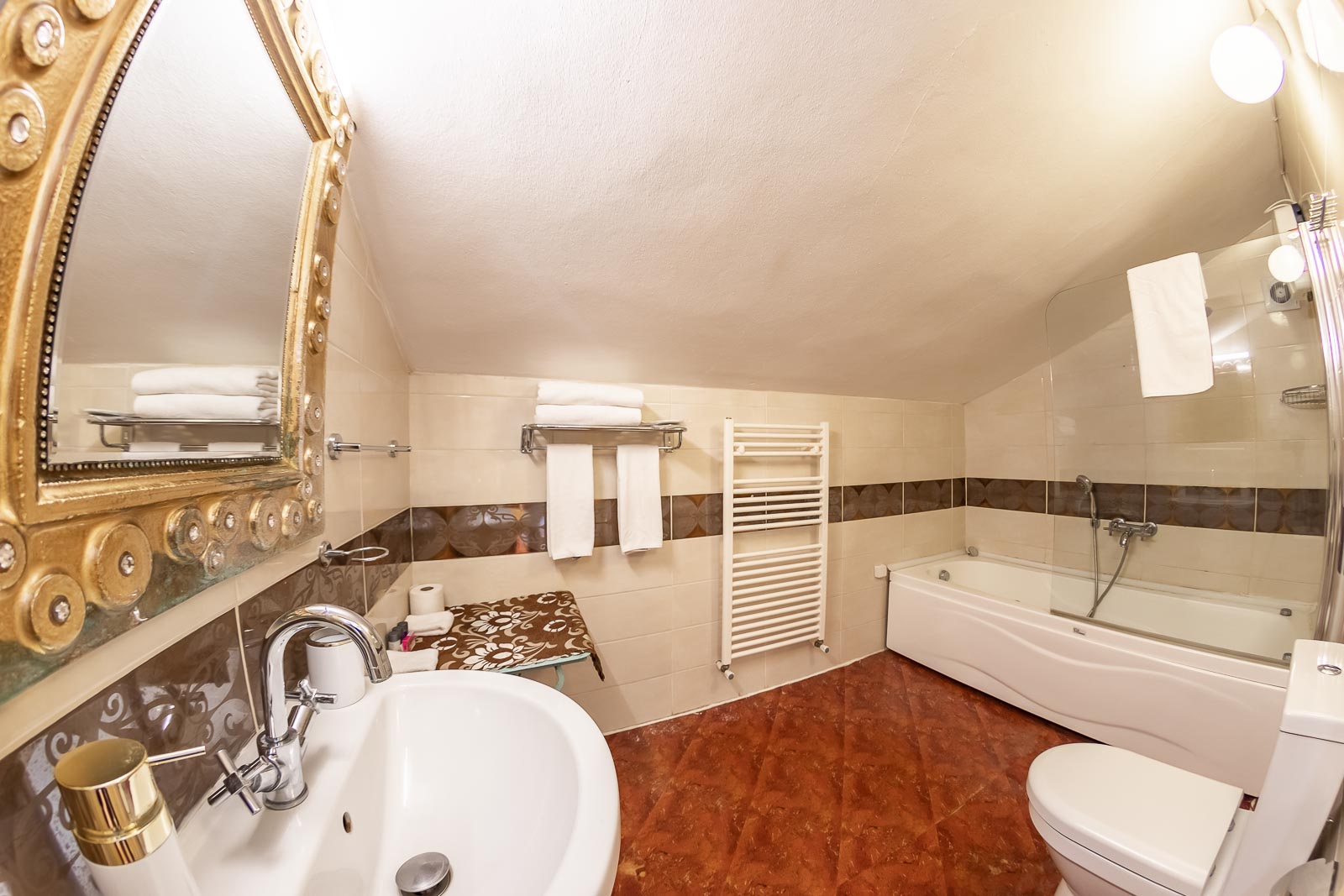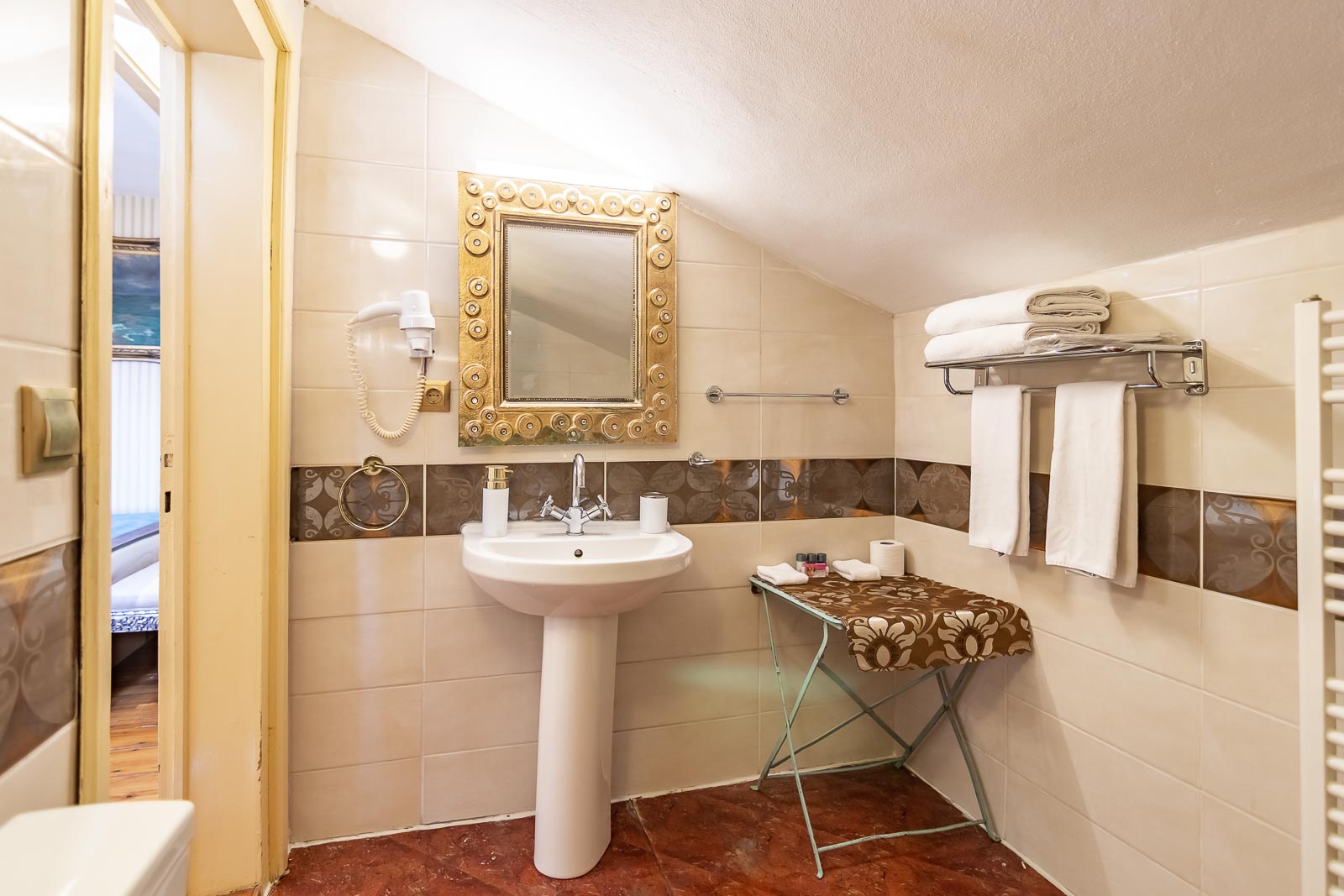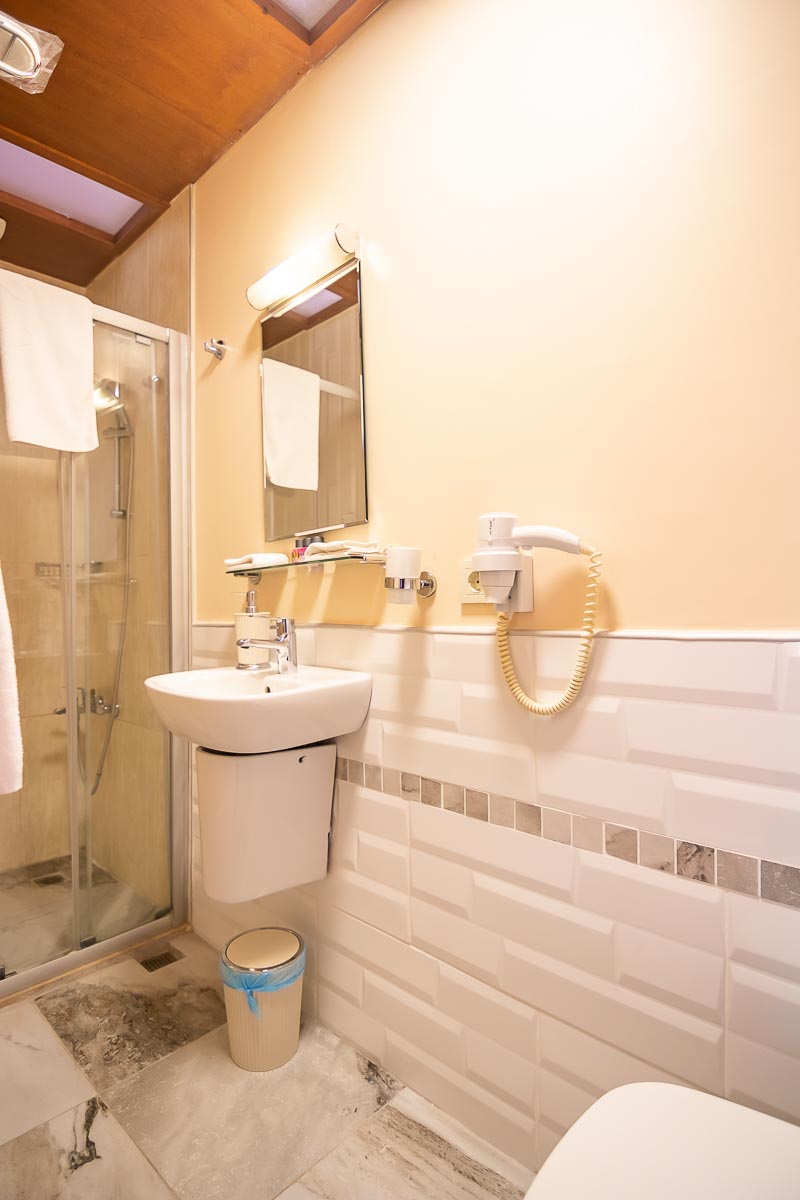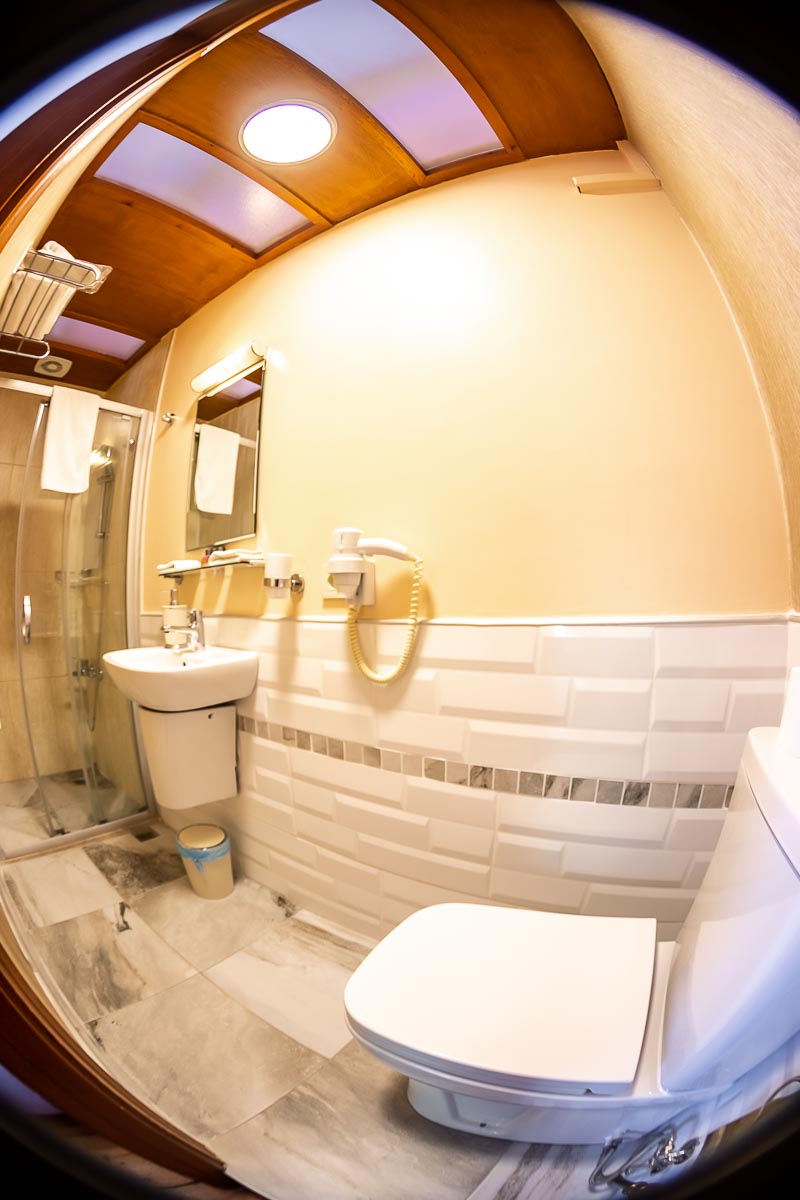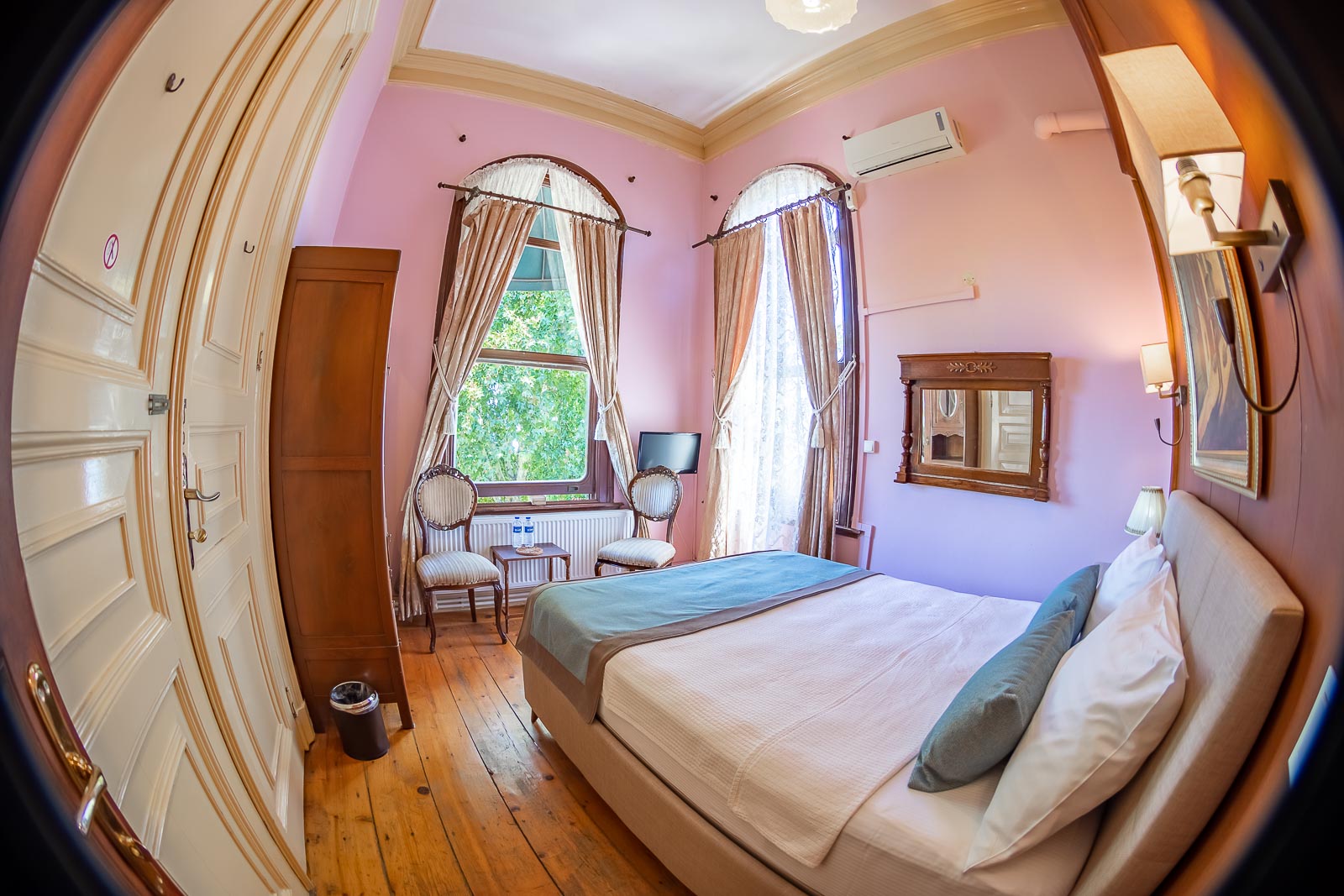



Bahçe Manzaralı Comfort Oda
Oda Bilgileri
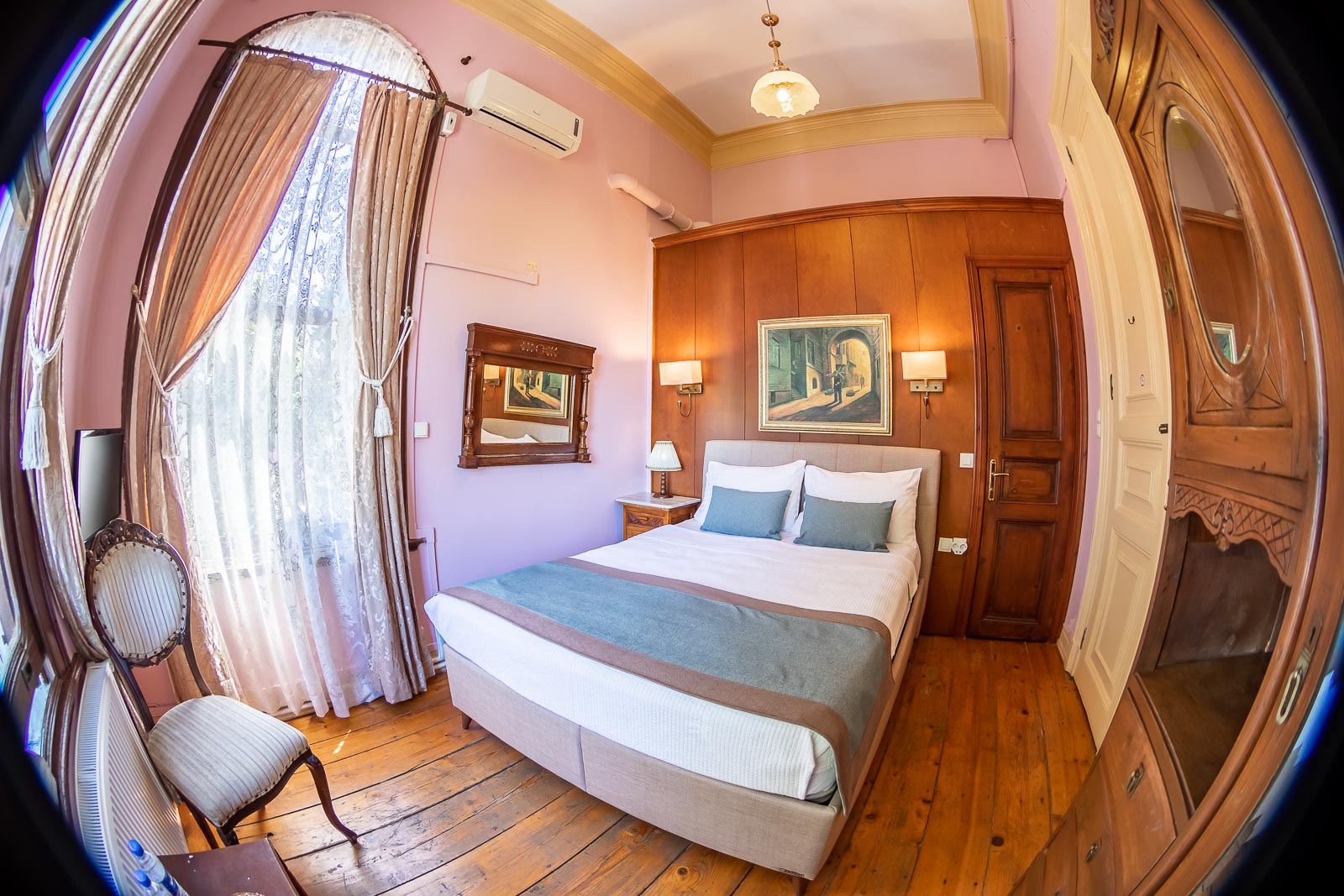
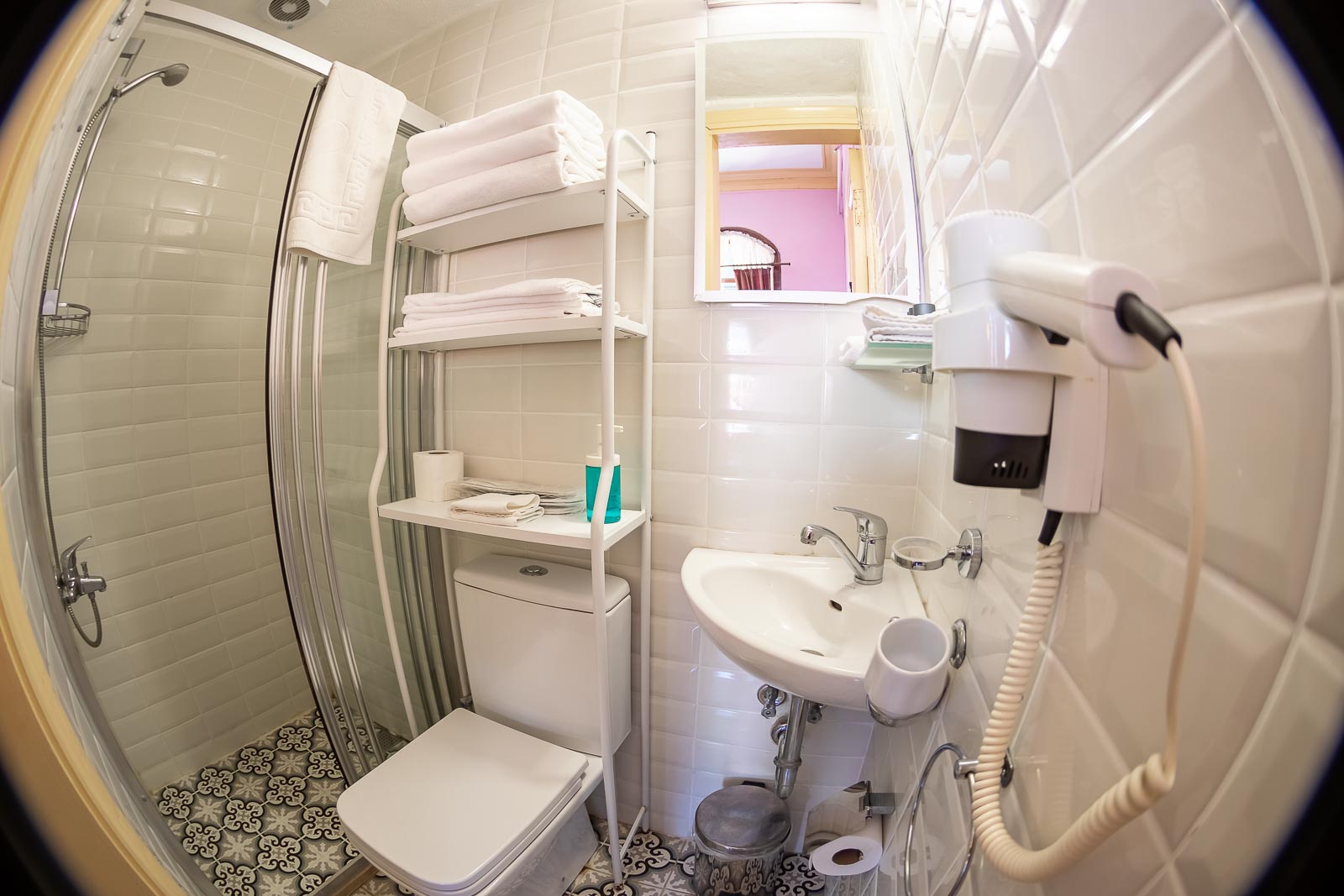
Köşkümüzün 2. ve 3. katında yer alan; yüksek tavanlı, masif yer döşemesi ve antika eşyalarla bezeli, bahçe manzarasına sahip olan odalarımızdır. Merkezi ısıtma sistemi ile ısıtılmaktadır.
Deniz Manzaralı Premium Oda; otelimizin 3.katInda yer alan retro dekorasyonu ile fark yaratan
özel banyo ve tuvaleti içinde olan odamızdır. Klima ve merkezi ısıtma sistemi ile ısıtılmaktadır.
Otelimizin 2. katında yer alan; Deluxe Deniz ve Confort Deniz manzaralı 2 oda ve bu 2 odanın ortasında yer alan balkonlu oturma odası ile birleşmesiyle oluşan, 2 oda 1 salon ve özel balkonu olan, 60 metrekare genişliği ile aileler ve arkadaş grupları için çok ideal benzersiz bir odadır. İlave yataklar ile toplam 8 kişi konaklayabilir.
Balayı ve özel günlerinizde kendinizi şımartın:) Köşkümüzün çatı katında yer alan; deniz manzaralı bu özel odamızda, gökyüzünü odanın içine alan tavan pencereleri, kış akşamları için şömine ayrıcalığı ve banyoda jakuzili spa küveti ile sizleri bekliyor. Odamızda merkezi ısıtma sistemi bulunur. İlave yataklar ile toplam 4 kişi konaklayabilir.
Köşkümüzün 2. ve 3. katında yer alan; yüksek tavanlı, masif yer döşemesi ve antika eşyalarla bezeli, deniz manzarasına sahip olan odalarımızdır. Merkezi ısıtma sistemi ile ısıtılmaktadır.
Otelimizin 2. katında yer alan; yüksek tavanlı, masif yer döşemesi ve antika eşyalarla bezeli, kısmi deniz manzarasına sahip odamızdır. Salonda bulunan balkonumuza iki adımda ulaşabilir ay ışığında içkinizi yudumlayabilirsiniz. Tarihi köşkün orjinal küvetli banyosu sadece bu odamızın içindedir. Klima ve Merkezi ısıtma sistemi ile ısıtılmaktadır. İlave yatak ile toplam 3 kişi çok rahat konaklayabilir.
Otelimizin 3.katında yer alan; yüksek tavanlı, masif yer döşemesi ve antika eşyalarla bezeli, bahçe manzarasına sahip odamızda, 1 adet double, 1 adet single, toplam 2 adet konforlu yatak vardır. İlave yatak ile 4 kişi konaklayabilir. Klima ve Merkezi ısıtma sistemi ile ısıtılmaktadır.
Whoa, this surprised me. Mobile privacy used to be a punchline for serious crypto people. My instinct said mobile meant compromises, but then reality nudged me. Initially I thought mobile privacy would be slow and awkward, but after a few real sessions with different coins and accounts I saw practical, usable options that actually respected privacy while remaining reasonably quick. It shifted how I think about carrying value in my pocket versus on a desktop—it’s not all sacrifice anymore.
Seriously, hear me out. A lot of us grew up with clunky wallet GUIs and cold-storage paranoia. I remember fumbling seed phrases while buying coffee downtown, very very awkward. On one hand privacy coins like Monero promised anonymity, though actually the UX often lagged by years. On the other hand, modern mobile wallets have built-in UX fixes that make private transactions less scary, and that’s a genuine improvement.
Whoa, this gets personal. I’ve used a handful of multi-currency wallets and each taught me something different. Initially I thought a single app could be a one-size-fits-all solution, but then I realized coin-level tradeoffs matter a lot. For example, what works for Bitcoin—where transparency is a feature—can be the opposite of what you want with Monero and other privacy-first chains, and you end up juggling settings. I’m not 100% sure this will please purists, but for most users it’s a sensible compromise.
Wow, seriously interesting. If privacy is your priority, seed management is critical and non-glamorous. You need a plan that mixes safety with convenience so you don’t accidentally lock yourself out or broadcast more than intended. My process is simple: keep a hardware backup, a short-term hot mobile wallet for daily use, and a mental model for when to escalate privacy practices. That sounds over-engineered, I know—still, it prevents dumb mistakes.
Whoa, this is modestly game-changing. Mobile wallets now offer coin-specific features that respect anonymity at the protocol level. For Monero that’s native ring signatures and stealth addresses; for other privacy-enhanced chains it might mean built-in coinjoins or light client support. (oh, and by the way…) not every wallet handles these details the same way, so pick with care. Your choice affects metadata leakage even when the chain itself is private.
Hmm, okay—real talk. Usability matters more than purism for adoption. I tried a few Monero-capable mobile apps and one stood out because it balanced privacy and clarity without hand-holding to the point of obfuscation. Initially I expected a brutal setup, but the onboarding was surprisingly smooth and left me confident I wasn’t leaking my transaction graph. That confidence matters because if people mess up settings they defeat their own privacy, which is ironically the biggest risk.
Whoa, don’t rush this. Compare sync models, network requirements, and whether the wallet uses remote nodes or lightweight verification. My instinct said remote nodes were risky, though actually lightweight clients can be safe when implemented correctly and audited. If you want to try a straightforward client that supports Monero transactions and keeps things simple, check out this monero wallet for a practical option that won’t bury you in config screens. You’ll still have to think about backups and app permissions, so don’t sleep on those basics.
Whoa, here’s the rub. Mobile devices are noisy and chatty—apps contact trackers, permission lists pile up, and notifications can leak patterns. Initially I thought turning off everything would be the best approach, but then I realized that reasonable app hygiene plus minimized permissions gets you most of the way. Use strict app permissions, disable analytics, and keep the wallet offline when not needed. Also, use a separate device or user profile if you value maximal separation between your identity and transactions.
Whoa, this is a little nerdy. Network privacy layer choices change the risk profile significantly. Using Tor or a VPN can help hide IP-level metadata, though actually relying on a VPN provider is trust-shifting rather than trust-minimizing. On the flip side, Tor provides more decentralized obfuscation, but mobile Tor usage can be finicky and slow. My approach is to treat Tor as an extra layer for sensitive moves and a VPN as convenience for routine privacy—but I’m biased, and you might choose differently.
Whoa, small but crucial detail. Receiving funds privately requires care: address reuse is a big no-no and subaddresses or one-time addresses are gold. I learned this the hard way—once I reused an address and saw an odd pattern pop up in public explorers (ugh). The fix was simple and boring: regenerate subaddresses, label them in a separate encrypted note app, and avoid sending change to predictable patterns. These are low-level habits that pay dividends over time.
Whoa, time to get practical. For multi-currency support you want a wallet that isolates different coin types sensibly and limits cross-chain metadata leakage. Initially I hoped one-wallet-to-rule-them-all would save time, but in practice it’s safer to segregate certain privacy coins to dedicated containers or accounts. That way, accidental linking of identities across chains is much less likely. I’m not preaching perfection—it’s more like reducing avoidable mistakes.
Monero’s protocol-level privacy (ring signatures, stealth addresses, and RingCT) is consistent across platforms, but mobile introduces extra metadata risks such as IP addresses and app-level leaks. Using light clients, Tor, and careful permission management narrows that gap considerably, though desktops with air-gapped signing still offer the highest operational security for critical amounts.
Yes—if you pick a reputable client, apply basic operational hygiene (backups, permissions, network privacy), and keep most funds in safer storage. For daily micro-transactions it’s practical, but for large or high-risk transfers consider hardware signing or an isolated device. I’m biased toward pragmatic workflows: make privacy sustainable, not heroic.